Ingredients Navigator for Oily Skin
What to Use, What to Skip, and Why It Matters
Support sebum, don’t suppress it.
A Strategy of Support, Not Suppression
If you have oily skin, chances are you’ve tried something at some point to “fix” it. But oily skin doesn’t need to be fixed. It needs to be supported.
Sebum is part of your skin’s natural function. The right ingredients don’t try to suppress it completely—they help your skin regulate, recover, and respond without triggering congestion or barrier breakdown.
Your Ingredient Priorities
- Regulate sebum production
- Prevent or reduce congestion
- Strengthen the barrier without occlusion
- Support hydration with light, water-friendly ingredients
- Use actives that clarify without over-exfoliating
Ingredients don’t fix your skin. They teach it how to function again—on its own terms.
Ingredients That Tend to Work Well
Niacinamide
Regulates sebum production; reduces inflammation and helps calm post-acne marks; supports barrier strength. Tip: Use in serums or moisturizers, 2–5% concentration.
Salicylic Acid (BHA)
Oil-soluble exfoliant; penetrates pores to clear sebum and dead cells; helps prevent blackheads. Tip: Use 1–3x per week (0.5–2%).
Azelaic Acid
Anti-inflammatory, anti-bacterial, sebum-regulating; helps with acne, rosacea, post-inflammatory hyperpigmentation. Tip: Use 10–15%, once or twice a day, if tolerated.
Zinc PCA / Zinc Gluconate
Helps control sebum production; anti-inflammatory and supportive for acne-prone oily skin.
Green Tea Extract (EGCG)
Antioxidant and calming; helps reduce oil production and inflammation; supports barrier health.
Lactic Acid or Mandelic Acid
Gentle exfoliants that clear surface buildup; hydrating and brightening benefits; better tolerated than glycolic acid. Tip: Use weekly or biweekly in low concentrations (5–10%).
Retinoids (Retinal, Retinol, Adapalene)
Normalize cell turnover; prevent clogged pores; improve texture and long-term resilience. Tip: Start with 1–2x/week at low strength.
Glycerin, Sodium PCA, Panthenol
Lightweight humectants that hydrate without oil; maintain water balance without clogging pores.
Squalane (Not to Be Confused with Squalene)
Lightweight emollient; mimics skin’s natural lipids; non-comedogenic and well-tolerated. Tip: Best used at night or in cooler weather.
Centella Asiatica
Calming, antioxidant-rich plant extract; supports recovery after actives or environmental stress.
The Role of pH and Formulation
Ingredients don’t work in isolation—they work in context. Keep an eye on: pH of exfoliants and cleansers, delivery systems (serum vs. toner vs. cream), base formula (gel, emulsion, oil, balm). Choose leave-on formulas for actives like niacinamide, salicylic acid, and retinoids. Choose rinse-off formulas for acids and clay.
Supportive But Optional
Peptides
Help support skin repair and aging prevention; not oil-controlling, but well-tolerated and non-comedogenic.
Niacinamide Derivatives (NAG, Oxyzomes)
Deliver similar benefits with improved stability or skin comfort.
PHA (Polyhydroxy Acids)
Ultra-gentle exfoliant alternative; useful if oily skin is also sensitive.
Ingredients to Approach with Caution
Heavy Emollients (e.g., Coconut Oil, Lanolin, Shea Butter)
Often clog pores or feel greasy; may lead to buildup and mid-day shine. Tip: Only use in small quantities, in well-formulated products, during winter.
Petrolatum, Beeswax, Heavy Waxes
Occlusive agents that trap oil and sweat; can suffocate skin and worsen congestion. Tip: Avoid unless barrier is compromised.
Essential Oils (Tea Tree, Lavender, Citrus)
Can cause irritation or photosensitivity; often used in high concentrations in “natural” products.
High Alcohol Content (SD Alcohol, Alcohol Denat.)
Immediate degreasing effect, but dries and disrupts the barrier; triggers rebound oil production and dehydration.
Silicones
Often used to mattify or smooth skin; not comedogenic on their own, but can trap debris if not properly cleansed.
Quick Swaps to Rethink Your Routine
| Avoid Overuse of: | Instead Try: |
| Alcohol-heavy toners | Hydrating toners with panthenol |
| Harsh clay masks | Salicylic acid masks |
| Coconut oil, lanolin | Squalane or jojoba oil |
| Overlapping actives | Spaced layering (alternate days) |
Ingredient Combinations to Try
Morning:
Niacinamide + humectant serum + light SPF → oil balance + hydration + protection. Vitamin C derivative + green tea + emulsion → antioxidant support without oil overload.
Night:
Retinoid + gel-cream moisturizer → supports clarity, texture, and turnover. Azelaic acid + panthenol → calms, clears, and hydrates without heaviness.
Weekly:
Salicylic acid mask + hydrating toner → clears pores and resets balance. Lactic acid serum + niacinamide → exfoliates gently while reinforcing skin.
When Ingredients Go Wrong
If your skin suddenly feels more oily than usual → check for stripping actives or rebound oil. Congested or bumpy → simplify and check for comedogenic textures. Tight but shiny → likely dehydrated + over-exfoliated. Red or reactive → too many actives, not enough support. Step back. Return to basics. Rebuild slowly.
A Final Word on Ingredients
You don’t need to suppress oil—you need to work with it. The right ingredients help your skin regulate itself without drama.
Oily skin doesn’t require constant correction. It requires clarity, intention, and light reinforcement.
Let your ingredients match your skin—not your fears.
What Comes Next?
The Full Story of Oily Skin Type
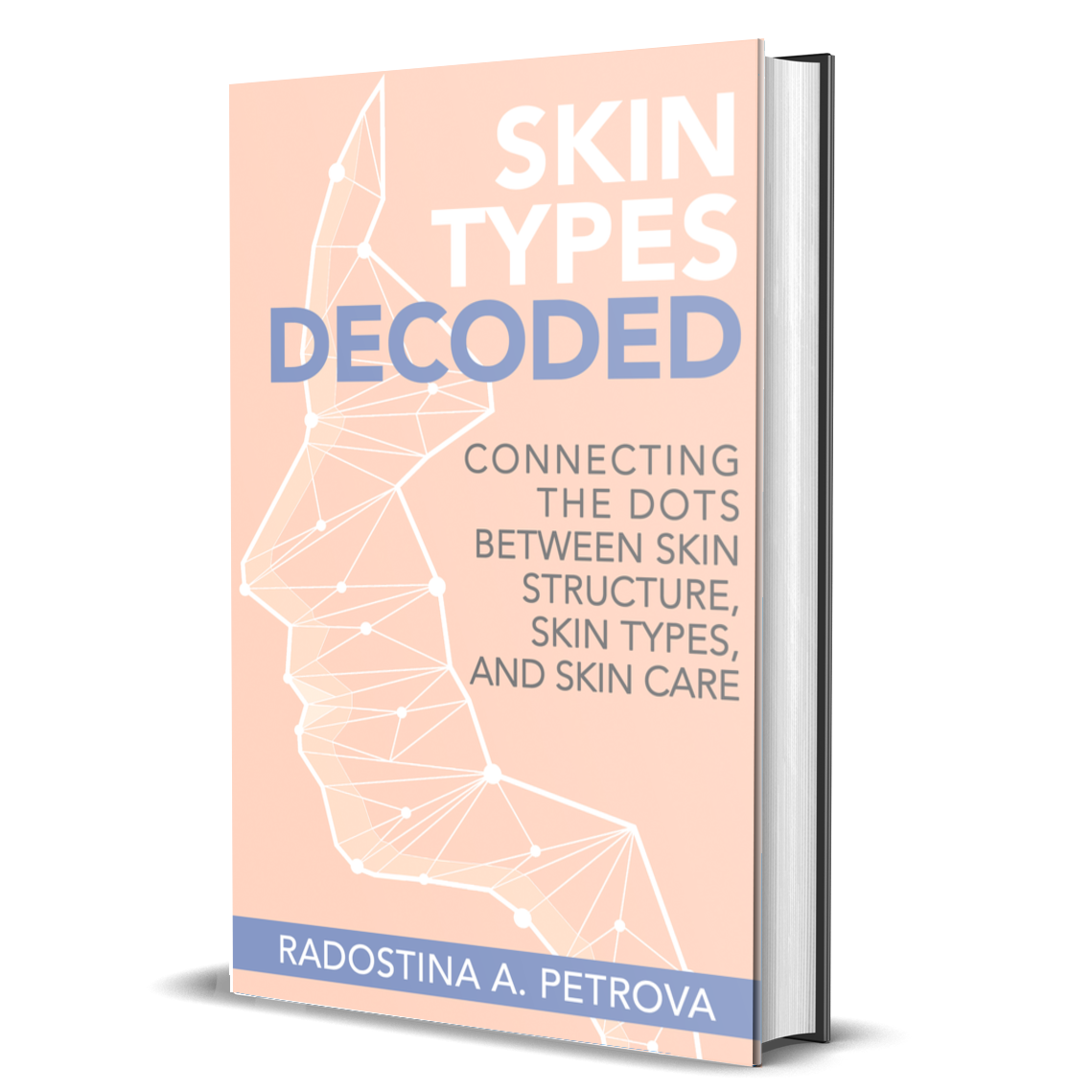
Oily skin type is explored in depth in Part 7 of Skin Types Decoded. Chapters 43 to 45 unpack actives, ingredient families, and oily skin logic in depth.