Vitamin C: Brightening, Protecting, and Supporting Resilient Skin
Why Vitamin C Deserves a Place in Skincare
Vitamin C is one of the most studied and respected antioxidants in skincare. It offers brightening, protective, and stabilizing benefits.
Used well, it can: brighten uneven tone; reduce signs of photodamage; support collagen synthesis; defend against oxidative stress; complement sunscreen protection; improve clarity and smoothness over time.
Not all vitamin C products are created equal. To use this ingredient effectively, you need to understand form, concentration, stability, and compatibility.
How Vitamin C Works in Skin
Antioxidant: neutralizes free radicals generated by UV, pollution, stress. Co-factor for collagen synthesis: supports firm, structured skin. Brightening agent: reduces melanin overproduction and post-acne marks. Barrier support: reduces oxidative inflammation, helping skin stay calm and clear.
It doesn’t exfoliate or bleach—it restores balance, smooths tone, and enhances glow through biological processes.
Forms of Vitamin C in Skincare
| Name | Type | Notes |
|---|---|---|
| L-Ascorbic Acid | Pure, active form | Powerful but unstable; needs low pH; can irritate |
| Sodium Ascorbyl Phosphate | Derivative | Stable, gentle, good for acne-prone skin |
| Magnesium Ascorbyl Phosphate | Derivative | Stable, often used in creams and sensitive formulas |
| Ascorbyl Glucoside | Derivative | Brightening and antioxidant effects; stable |
| Ascorbyl Tetraisopalmitate | Oil-soluble | Penetrates deeper; suitable for drier or mature skin |
| 3-O-Ethyl Ascorbic Acid | Modified ascorbic acid | More stable, effective at lower concentrations |
Benefits of Vitamin C in Skincare
✓ Brightens dull or uneven skin tone
✓ Reduces post-inflammatory hyperpigmentation (PIH)
✓ Improves firmness and elasticity over time
✓ Protects against environmental stressors
✓ Enhances sunscreen effectiveness
✓ Smooths texture and enhances glow
When to Use Vitamin C
✓ In the morning, under sunscreen
✓ After cleansing and before moisturizer
✓ As a daily antioxidant or on alternating days
✓ When targeting: post-acne marks, uneven pigmentation, sun-induced dullness, early signs of aging.
When to Avoid or Pause
During periods of: barrier damage, sensitivity flare-ups, retinoid irritation. When using: strong exfoliants (AHA, BHA) at the same time, high-strength retinoids on the same night, harsh alcohol-based actives. Pause and reintroduce once skin is calm.
Skin Type–Specific Guidance
Normal Skin
Can tolerate most vitamin C types. Try 10–15% ascorbic acid or any stable derivative.
Dry Skin
Use oil-soluble or cream-based derivatives (ATIP, MAP). Avoid alcohol-based or water-light serums with high acidity. Layer over hydrating toner or serum.
Oily Skin
Use lightweight serums with SAP or AA derivatives. Can tolerate low-pH ascorbic acid better than drier skin types. Helps reduce oil oxidation and clogged pores.
Acne-Prone Skin
Use SAP (sodium ascorbyl phosphate)—studied for acne support. Avoid greasy carriers or thick oils. Helps reduce PIH and supports clear skin.
Sensitive Skin
Avoid pure ascorbic acid above 10%. Use MAP, AG, or ATIP in cream/lotion formats. Introduce slowly (2x/week) and increase if tolerated.
Combination Skin
Use as a zone treatment or alternating routine. Choose lightweight emulsions or stable serum derivatives. Avoid layering vitamin C with strong exfoliants on the same day.
What Percentage of Vitamin C Is Best?
5%: mild support, suitable for beginners or sensitive skin. 10%: effective for most skin types, well-tolerated. 15%–20%: maximum efficacy for brightening—but higher irritation risk. Higher doesn’t always mean better. Stability and delivery matter more than just concentration.
Vitamin C by Format
| Format | Best For | Notes |
|---|---|---|
| Water-based serum | Most skin types | Fast absorbing, often contains 10–20% AA |
| Oil-based serum | Dry or mature skin | Slower release, supports lipid barrier |
| Cream/lotion | Sensitive or balanced skin | Mild, buffered delivery of derivatives |
| Powder | DIY mixes | Stable until activated; easy to misuse |
| Ampoules | Short-use, concentrated | Requires consistent use over a limited time |
Combining Vitamin C with Other Ingredients
| Combine With | Effect |
|---|---|
| Niacinamide | Brightens, reduces inflammation, improves tolerance |
| Ferulic Acid | Stabilizes ascorbic acid, boosts antioxidant effect |
| Vitamin E (Tocopherol) | Enhances photoprotection, supports lipid barrier |
| Sunscreen | Provides complementary UV protection |
| Panthenol / Hyaluronic Acid | Adds hydration and comfort |
Avoid Pairing With (Simultaneously)
⛔ AHAs (e.g., glycolic acid): may lower pH too much
⛔ BHAs (e.g., salicylic acid): increases irritation risk
⛔ Benzoyl Peroxide: may degrade vitamin C
⛔ High-strength retinoids: alternate use (AM vs. PM)
Instead, alternate days or use one in the morning, the other at night.
Storage, Stability, and Shelf Life
Vitamin C—especially L-ascorbic acid—is highly unstable. Watch for: color change (clear → orange → brown = oxidized); strange smell (fermented or metallic); ineffectiveness (if exposed to heat or light).
To extend shelf life: store in dark, cool location; use airless pumps or dropper bottles; finish within 3 months of opening (for pure AA). Derivatives (SAP, MAP, ATIP) are far more stable and forgiving.
The Vitamin C Glow: Realistic Expectations
With consistent use (3–5x/week), visible results often appear within: 2–4 weeks: brighter tone and improved texture; 6–8 weeks: reduced pigmentation and smoother skin; 8–12 weeks: clearer post-acne marks, enhanced firmness. Results are cumulative, not instant.
Common Mistakes
❌ “Stronger is better”
20% AA isn’t necessary for everyone. If irritation occurs, step down—not up.
❌ “You can’t mix it with anything”
Vitamin C can be paired safely with many ingredients—just choose the right form.
❌ “It replaces sunscreen”
It complements sunscreen—but never replaces it.
❌ “It’s only for pigmentation”
Vitamin C supports aging skin, acne-prone skin, and dull skin—not just hyperpigmentation.
A Few Favorite Pairings
For Brightening: 10% AA + niacinamide + SPF. For Post-Acne Marks: SAP + azelaic acid. For Dryness + Tone: ATIP + hyaluronic acid. For Sensitive Skin: MAP + panthenol. For Mature Skin: 3-O-ethyl AA + peptides + sunscreen.
Final Thought: Steady, Not Showy
Vitamin C works best when used consistently, strategically, and in a format that suits your skin—not someone else’s.
You don’t need a 20% glow bomb to see results. What matters most is: stability, tolerability, and consistent, patient use.
Explore More Active Ingredients
The Full Story
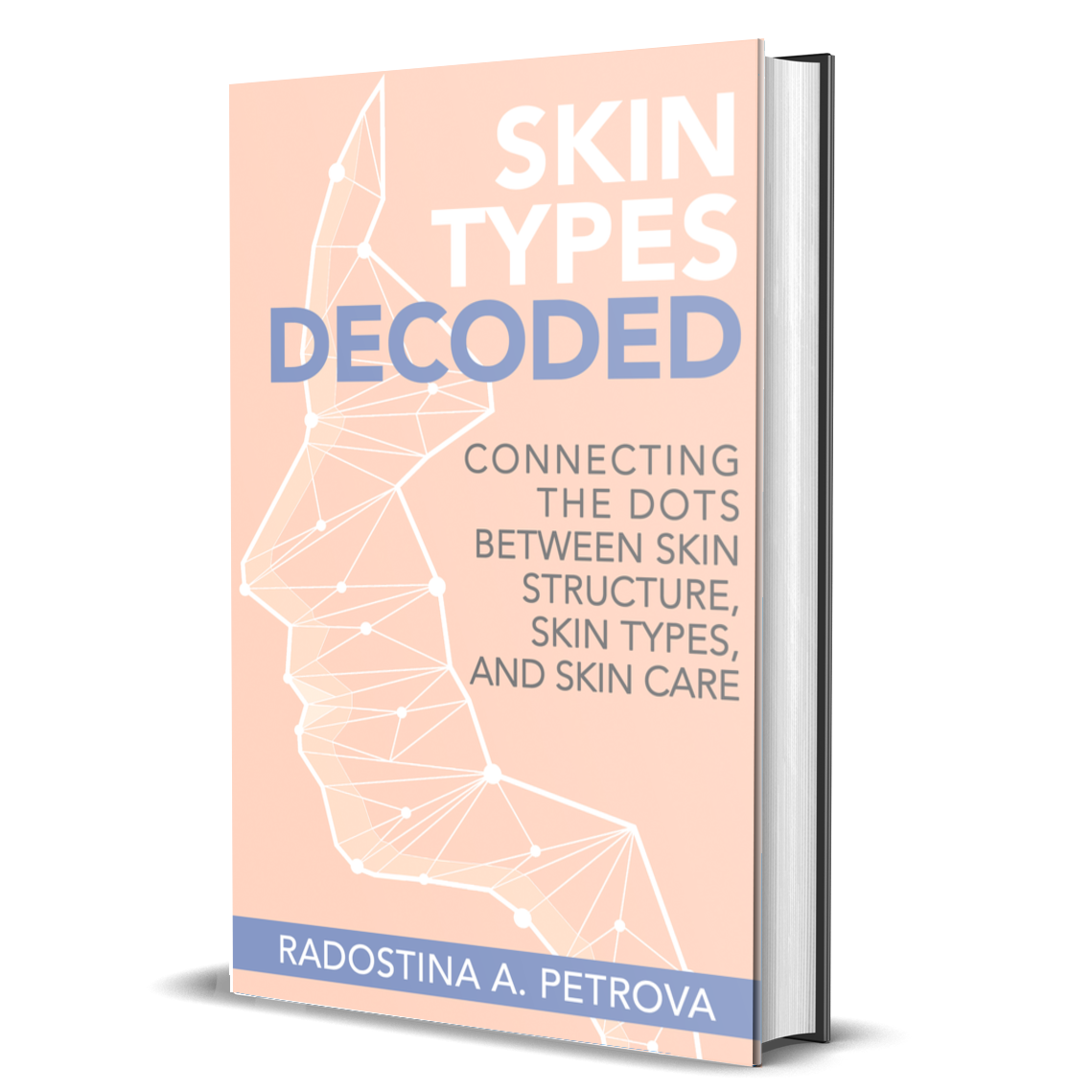
This content is drawn from Skin Types Decoded, Chapter 22.