Ingredients Navigator for Combination Skin
Choose with Precision. Apply with Intention.
One Face, Multiple Behaviors
Combination skin presents a unique challenge: it isn’t defined by a single need—but by a contrast of needs. Ingredients that help in one area can backfire in another. Salicylic acid may smooth your nose—but sting your cheeks. A nourishing oil may soften your jawline—but clog your forehead.
The key isn’t to avoid active ingredients. It’s to use them wisely, with respect for contrast.
The Goal: Balance, Not Uniformity
The question isn’t “Which ingredients are best for combination skin?” It’s: which ingredients work across zones? Which ingredients should be zoned? Which ingredients disrupt skin harmony over time?
Ingredients That Work Across Zones
Niacinamide (2–5%)
Supports oil regulation, brightens tone, strengthens the barrier. Use all over. Pair with: hyaluronic acid, zinc PCA, ceramides.
Hyaluronic Acid + Glycerin + Sodium PCA
Hydration trio that draws water into the skin—without clogging. Use in toners, serums, gel-creams.
Panthenol (Provitamin B5)
Calms, hydrates, and strengthens barrier across all zones. Found in serums, lotions, barrier creams.
Green Tea Extract + Centella Asiatica
Antioxidant, soothing, and lightly anti-inflammatory. Safe for all zones and skin states.
Zinc PCA
Regulates oil, supports healing, non-drying. Excellent for congestion-prone areas.
Ingredients That Require Zoning
Salicylic Acid (0.5–2%)
Best for oily and congested areas (T-zone, nose, chin). Avoid using on cheeks or temples unless clearly tolerated. Use 1–2x/week as a spot exfoliant.
Lactic Acid / Mandelic Acid / PHAs
Gentler exfoliants than glycolic acid. Use 1–2x/week across the face or 2–3x/week on T-zone only. Avoid stacking with retinoids.
Vitamin C (Ascorbyl Glucoside, MAP, SAP)
Antioxidant, brightening, collagen-supporting. Choose gentler forms over pure L-ascorbic acid if cheeks are reactive.
Azelaic Acid (5–10%)
Brightens tone, calms inflammation, lightly decongests. Can cause dryness—buffer with moisturizer on U-zone.
Retinoids (Low-dose Retinol, Retinal, Bakuchiol)
Supports cell turnover, texture, and aging prevention. Apply to oilier areas first; buffer with cream on cheeks.
Emollients and Oils: Where to Use Them—and Where Not To
Great for Cheeks and Perimeter
Squalane – lightweight and non-comedogenic; meadowfoam seed oil – stable and balancing; jojoba esters – mimic skin’s natural sebum; hemp seed oil – non-pore-clogging, calming; ceramides – reinforce barrier.
Limit in T-Zone
Coconut oil – comedogenic and occlusive; shea butter / cocoa butter – heavy, slow-absorbing; lanolin – may clog pores or cause sensitivity.
Ingredients That Often Cause Problems for Combination Skin
Alcohol Denat / Ethanol
Can over-dry cheeks while triggering oil rebound in T-zone.
Menthol / Eucalyptus / Mint Extracts
Cooling at first—but may irritate and sensitize dry areas.
Harsh Essential Oils (Lemon, Peppermint, Cinnamon, Clove)
May cause stinging, redness, or long-term reactivity.
Astringents (Witch Hazel with Alcohol)
Tightens skin temporarily—but can lead to dehydration.
Ingredient Pairing Examples
Daytime Duos
| Combo | Why It Works |
|---|---|
| Niacinamide + Zinc PCA | Balances oil + supports barrier |
| Hyaluronic acid + Panthenol | All-over hydration + soothing |
| Vitamin C derivative + SPF | Antioxidant + UV protection |
Evening Support
| Combo | Application Strategy |
|---|---|
| Retinal + Squalane | T-zone first, buffer on cheeks |
| Azelaic Acid + Gel-Cream | All zones or alternate days |
| PHA serum + Cream | Exfoliation + barrier support |
During Barrier Recovery
| Combo | Best For |
|---|---|
| Beta-glucan + Ceramide Cream | Dry, irritated cheeks |
| Panthenol + Meadowfoam | Nighttime layering |
| Zinc + Niacinamide | Post-breakout recovery in T-zone |
Smart Ingredient Practices
Layering tip: Always apply watery formulas first, then emulsions, then creams/oils. Buffer actives with moisturizer or serum if your skin shows any stinging or flaking. Alternate actives instead of stacking. Spot treat congestion rather than applying strong acids all over.
Listening to the Zones
| Zone | Look For | Ingredient Focus |
|---|---|---|
| Forehead/Nose | Shine, congestion, dullness | Zinc, niacinamide, light exfoliants |
| Cheeks | Dryness, redness, flaking | Panthenol, squalane, PHAs |
| Jawline | Hormonal breakouts | Azelaic acid, retinoids (buffered) |
| Chin | Blackheads or texture | Salicylic acid, clay-based masks |
Final Thought: Choose for the Face You Have Today
Combination skin isn’t difficult—it’s detailed. What your skin needs will shift based on season, stress, sleep, and skincare history. Choose ingredients not by reputation—but by zone behavior and current, real-time condition.
You don’t need to fear strong actives—or chase minimalism for its own sake. You just need to pair clarity with responsiveness.
Let each zone speak. Let your care follow.
What Comes Next?
The Full Story of Combination Skin Type
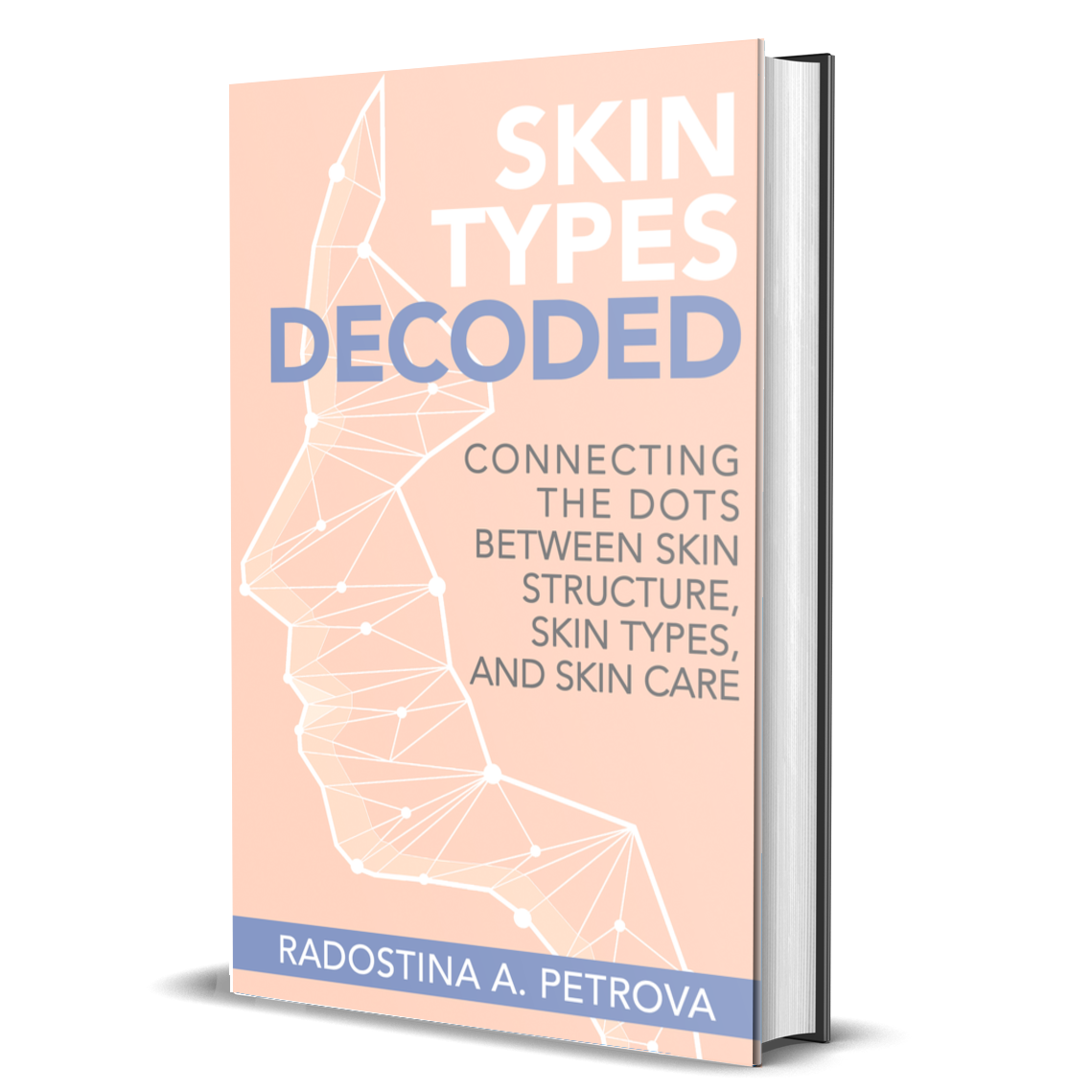
Combination skin type is explored in depth in Part 10 of Skin Types Decoded. Full care logic spans Chapters 68 to 75.