Format Navigator for Normal Skin
Choosing What Supports Without Overcomplicating
Format Matters—Even for Balanced Skin
When skincare works well, we often credit the ingredients. But the format—how a product is structured and delivered—is just as important. Texture, consistency, layering behavior, and absorption speed all influence how a product interacts with your skin.
For normal skin, the good news is that you have flexibility. Most formats are well tolerated, which makes this skin type an excellent opportunity to focus on feel, function, and personal preference—not just necessity.
That said, some formats are better suited to preserving normal skin’s natural balance, while others may be more than you need. This guide helps you navigate the middle ground: what to reach for, what to use intentionally, and what to approach with a light hand.
Formats That Tend to Work Well
Gel-Creams and Emulsions
These hybrid textures combine hydration and softness without feeling heavy. They spread easily, absorb well, and support the barrier without leaving a greasy finish.
Why they work: Offer balanced hydration without excess occlusion; layer well under sunscreen or makeup; ideal for daytime or warm climates.
Best used for: Moisturizers, light hydrators, multi-tasking creams
Lotions and Light Creams
Slightly richer than gel-creams but still absorb quickly. Especially helpful during seasonal shifts or cooler weather.
Best used for: Night moisturizers, barrier support during seasonal transitions
Hydrating Serums and Essences
Watery or gel-based hydrators containing humectants like glycerin or hyaluronic acid offer a light, refreshing layer of moisture.
Best used for: Morning hydration, layering during dry weather or travel
Lightweight Facial Oils (Optional)
Small amounts of well-chosen facial oils can support normal skin in dry climates or during barrier stress, mimicking natural sebum when used sparingly.
Use mindfully: Choose dry-feel oils like squalane or jojoba. A drop or two is enough.
Formats to Use with Intention
These formats aren’t “bad” for normal skin—but they’re better when used strategically.
Balms and Rich Creams
Great for compromised barriers but often more than normal skin requires. Use when: skin feels unusually dry/wind-chapped, you’ve overused exfoliants/retinoids, or flying/skiing/exposed to cold dry wind. Avoid using them as daily moisturizers unless your skin explicitly benefits.
Foaming Cleansers
Many use sulfates or high-pH surfactants that can strip skin over time, though modern low-foam/sulfate-free versions can still be gentle. Use when: deeper cleanse needed after exercise/sweat, or humid/oily-prone season. Always patch test — if skin feels tight after cleansing, the foam may be too harsh.
Exfoliating Pads and Liquids
Normal skin may tolerate them—but doesn’t necessarily need them. Use when: dullness/texture/congestion appears, once or twice a month at most, followed by barrier-supportive care. Avoid multi-acid formulas or daily-use exfoliants unless under professional guidance.
Formats to Use Occasionally or Skip
Alcohol-Based Gels or Toners
Can dry or sensitize skin unnecessarily and may lead to rebound oil production or dehydration, often with no clear benefit. If you enjoy astringent toners, switch to botanical waters or alcohol-free hydrosols.
Clay Masks (Used Too Often)
Absorb oil and debris, but normal skin doesn’t typically need this level of oil control. Use rarely: in high humidity or post-travel congestion, T-zone only if anywhere, always follow with hydration. Avoid weekly masking “just in case.”
Occlusive Ointments (Petrolatum-Based)
Fantastic in wound care, but daily use on normal skin can lead to occlusion and heat retention. Use for: targeted barrier repair (nose, lips, post-irritation). Skip as: a full-face moisturizer or nightly slugging step unless medically advised.
What Format Strategy Looks Like
For normal skin, format strategy means choosing just enough support—not defaulting to more. It’s less about rigid categories and more about asking: How does this feel? What is my skin asking for today?
This skin type often thrives with: a single hydrating layer in the morning (serum or emulsion); a light moisturizer at night (lotion or gel-cream); occasional format upgrades (oil, balm) in response to seasonal needs; intentional format reduction (lighter textures) in hot or humid months.
Your skin will tell you when something feels too rich, too drying, or simply unnecessary. The format you choose should disappear into the skin—not linger in layers that your barrier doesn’t want or need.
A Final Word on Format
Format is more than feel—it’s function. For normal skin, the goal is not to control or compensate, but to complement what your skin already does well.
Your skincare doesn’t need to perform miracles. It needs to show up quietly and consistently—matching your skin’s rhythm, not overriding it.
So when choosing between a gel, cream, balm, serum, or spray, ask not just what the product contains—but how it shows up. That’s format strategy. That’s care with intention.
Format isn’t a trend — it’s how your skin meets the world.
What Comes Next?
The Full Story of Normal Skin
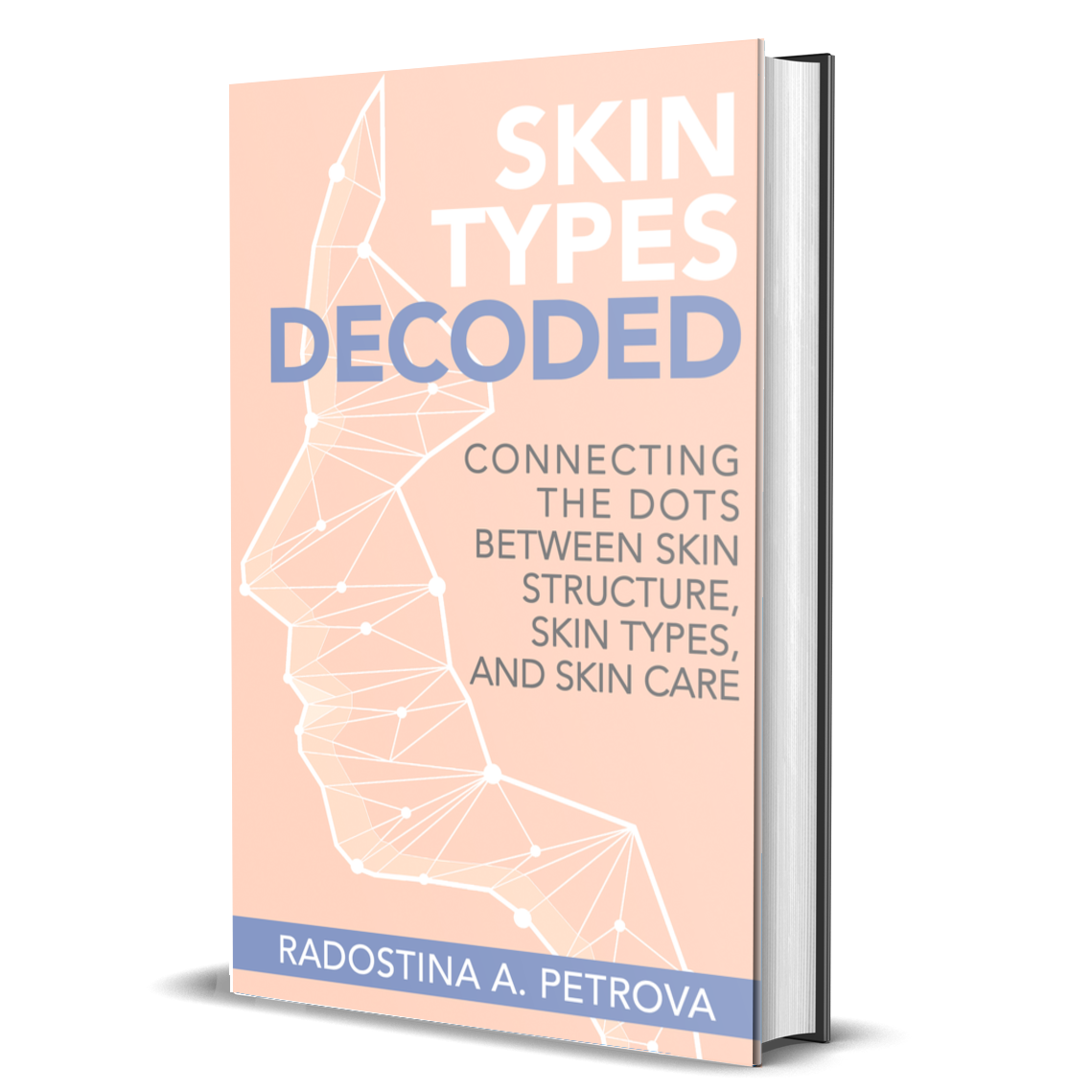
This page draws from Part 5 of Skin Types Decoded. Format strategy is woven throughout Chapters 28 and 29. Full care logic spans Chapters 26 to 33.